COLUMN · INSTAGRAM / FACEBOOK
A moderation explanation should make disagreement possible
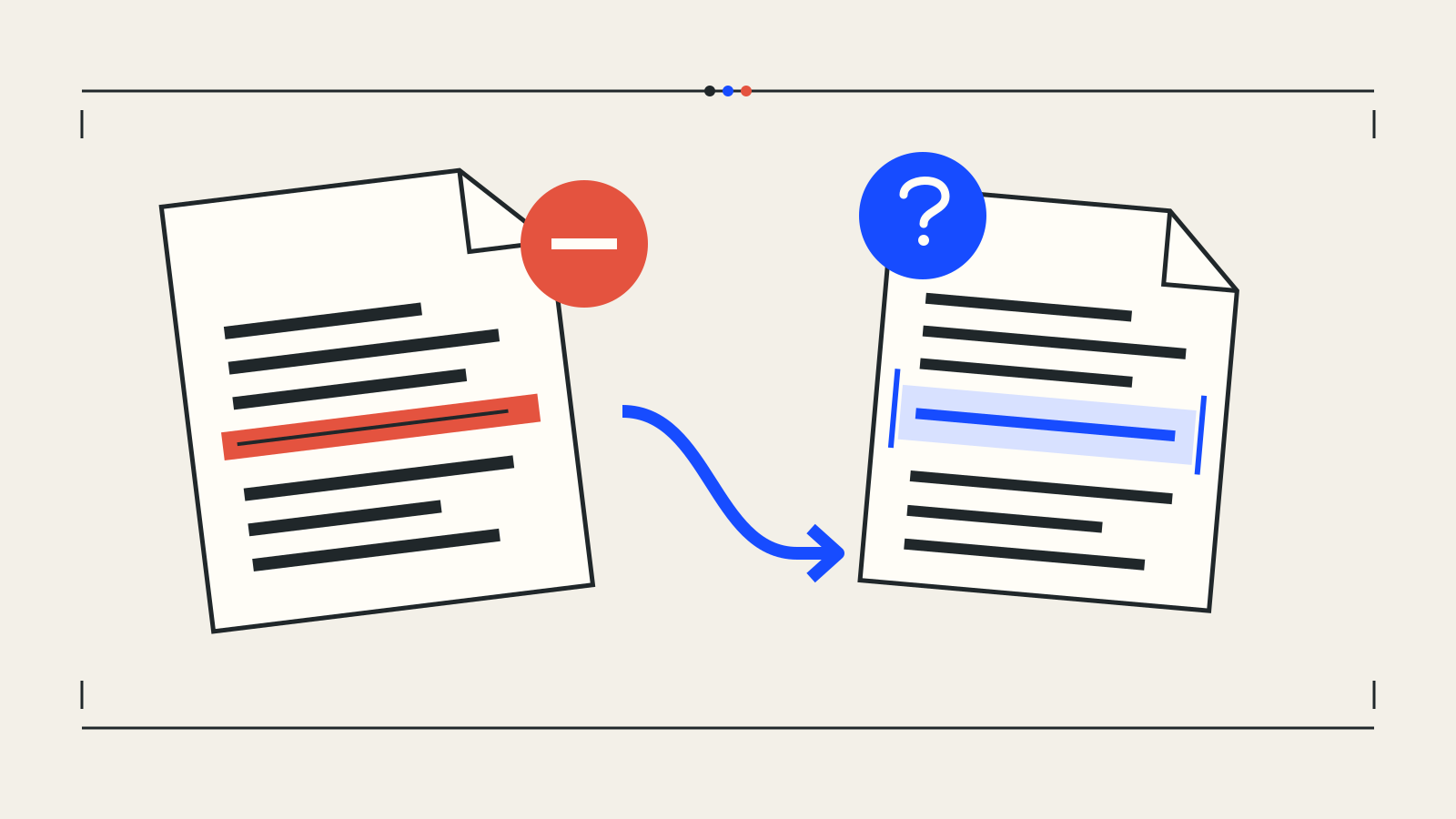
A polite notice is pleasant to read. A useful one identifies the offending passage and what the system may have missed.
In its October 1, 2026 announcement, the Oversight Board lists substantial reasons to use language models in moderation: fewer mistaken removals, clearer explanations, better support for under-resourced languages and less strain on people who must view distressing material. There is room to improve things for both users and reviewers.[2]
The Board is launching research into the risks and how to evaluate these systems, drawing on early confidential access to Meta’s system. That access offers a chance to examine how a real system works. The research has been announced; its conclusions have yet to be published.[2]
Meta’s March support announcement had already promised help with removal reasons, appeal options and next steps. Explanation is part of the service the company says it provides. What matters is whether the explanation gives someone a reason they can understand and challenge.[3]
What did the system misunderstand?
Imagine a post quoting a statement in order to condemn it. The notice names a prohibited subject without saying whether the system noticed the condemnation or took the quotation for the author’s belief. A passage about respecting the community may be long and impeccably polite. It will still leave that question unanswered.
A useful reply connects a specific passage to a rule and explains how context important to the decision was considered. The author can then point to what was missed, such as the condemnation before the quotation. This need not reveal detection methods or ways around safeguards. It requires the reason for a decision already made.
A detailed answer can still be wrong. A language model can persuasively describe a reason that did not actually determine the decision. The explanation needs to reflect the actual reason for the decision. Eloquence is easily mistaken for accuracy here.
Is the reason for disagreement clear?
A good explanation lets someone say exactly where the decision went wrong. A poor one leaves them with “they decided it was not allowed”, even after several paragraphs. The useful test is whether the person understands what context was missed and how to provide it through any available review process.
Meta’s October statement on detecting ads associated with child exploitation shows why automation needs context beyond a single image. Correcting a mistaken restriction needs it just as much. Detecting danger and reconsidering a wrong conclusion are not incompatible abilities.[1]
A clear explanation is part of good moderation. A quick, friendly notice helps little if users still cannot understand why their post was removed or what they can challenge.