CLEARRULES · TEENS AND SOCIAL MEDIA
What counts as success for a social media ban?
A closed teenage account is easy to put in a report. Whether closing it helped the teenager is harder to establish. Instagram and Facebook need both answers.
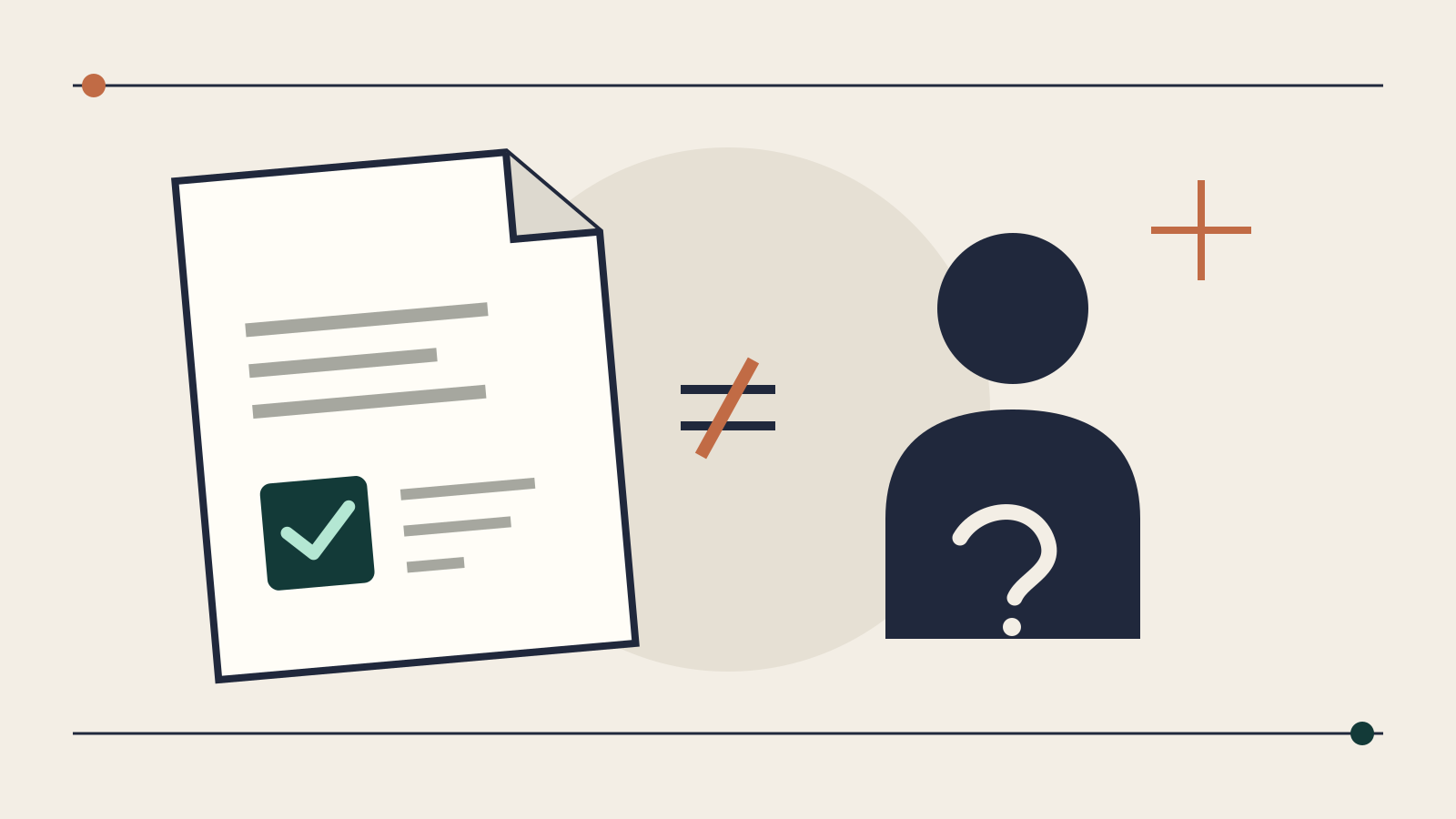
On 29 October 2026, the Oversight Board published its case against blanket social media bans for teenagers, focusing on ages 13–17.[1]
In an argument about Instagram and Facebook, it is easy to pick a convenient measure. A supporter can count closed accounts. An opponent can find a teenager still using the app. Both observations may be correct. Neither, on its own, answers the central question: what changed in the lives of the people the policy was meant to protect?
Compliance does not explain the outcome
Imagine a restriction stops a teenager receiving abusive messages on Instagram. That matters. Now change one detail: the messages continue elsewhere, while the closed account remains in a report of successful blocking. The recorded action is identical; the help it gives the person is not. This is a hypothetical example, not an established finding about the Australian ban.
An account-removal report is therefore useful: it shows what a company did. It should not also be asked to answer a question for which it contains no evidence. How many people experienced less of a particular harm needs to be established separately.
Positive experiences deserve a hearing too
Australia’s eSafety March 2026 report recorded some educators reporting that some students appeared relieved after leaving social media. These were early observations, not a general finding.[2]
That experience deserves attention even from someone who opposes a ban. We cannot insist on individual circumstances only when they help our own argument. If someone feels better, that matters. If someone else fares worse, the first person’s improvement does not settle the second person’s case.
Governments also have a reasonable argument: they cannot wait for perfect research while children face serious harm. But the urgency of a decision does not turn every subsequent measure into proof of its benefits. Acting and checking the outcome can happen together.
Ask about the harm as well as the account
In our view, a useful evaluation should start with one question: did the affected teenagers experience less of the specific harm the measure was introduced to address? An evaluation of protection from bullying, for example, must account for bullying that continues beyond the closed account. This is our proposed test, not research we have conducted.
The answer might support a restriction, reveal a need to change it, or expose a problem in the app itself. That is precisely why the question should come before a favourable number is declared the final verdict. For Instagram and Facebook, meeting a requirement matters. For a teenager, what happens afterwards matters.