COLUMN · INSTAGRAM
A trial Reel cannot answer every question
A video can work for strangers without telling you what your regular audience needs. That is a reason to choose the question more carefully, not to dismiss the result.
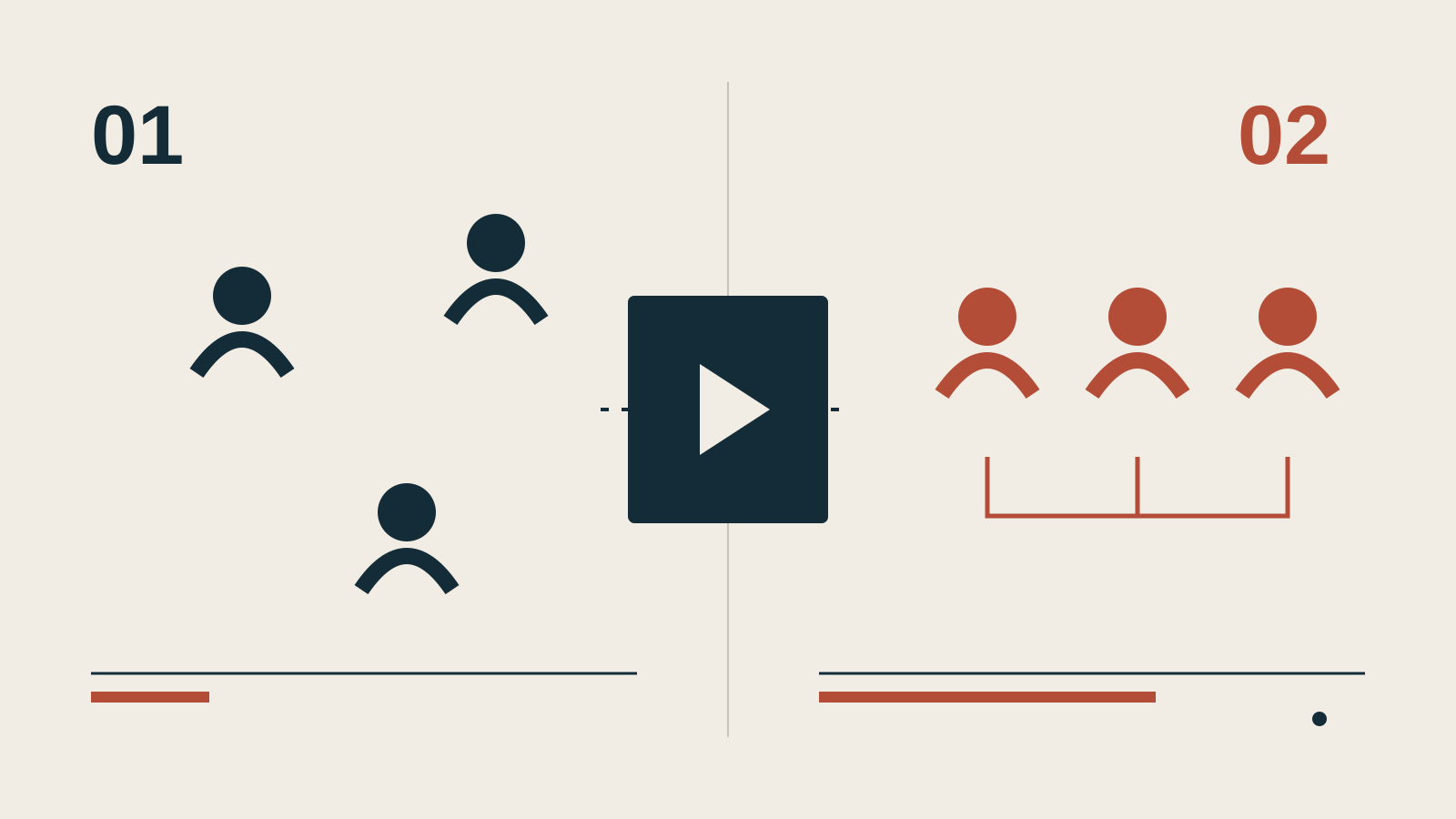
Instagram trial Reels initially reach non-followers, as Meta described on 10 December 2024. This is not a private rehearsal: a follower may still encounter one through a shared message. For a creator, though, the more useful distinction is that changing the audience also changes the question the result can answer.[1]
If you want to know whether a new subject interests someone unfamiliar with your work, this is a useful approach. If you want to know whether the next instalment makes sense to people who have followed a story for a month, you may be asking the wrong audience. A stranger cannot be expected to remember the beginning. A regular reader may have arrived specifically for the continuation.
One video can have two different jobs
Imagine a potter filming a repair to a cracked cup. For a new viewer, there is a small story: can the object be saved? For followers who watched the firing go wrong, it also answers yesterday’s question. The video is the same, but the reasons for watching are different.
The creator now makes the opening more dramatic to catch a stranger’s attention sooner. That is a sensible edit. Its success does not automatically mean regular followers need fewer details about the repair. Those details may be exactly why they followed in the first place.
The point is not that numbers are untrustworthy. They need a purpose. Views can help a creator choose a compelling introduction. They cannot decide what the creator owes an audience that is already there.
A useful trial starts with a specific question
In June 2025, Meta reported increased reach for some creators after they used trial Reels. This was the company’s internal analysis, not a guarantee. That encouraging signal is compatible with a narrower conclusion: a tool can help people find new viewers without replacing every other way of judging their work.[2]
Before running a trial, finish the sentence: “This video will help me find out…” Perhaps the question is whether the story makes sense without earlier posts. Then the changes should help a newcomer get into it: the opening, an explanation, the order of shots. If the question is what existing followers should want next, this test alone cannot settle it.
Creators can make both an invitation to new people and a continuation of an existing conversation. Each video need not do both jobs equally well. A trial is useful when it helps the creator decide which job matters this time.